Can Hydrogen-Rich Water Help Fight Anemia?

🧪 Could Hydrogen-Rich Water Help Fight Anemia?

What Did the Study Say?

A 2013 study explored whether drinking water rich in molecular hydrogen (H₂) could help with aplastic anemia, a condition where the body doesn’t make enough blood cells. The researchers used lab mice that had anemia and gave them hydrogen-rich water.

Key Discoveries:

  1. Faster Blood Recovery
    Mice drinking hydrogen water showed quicker boosts in blood components red cells needed for oxygen, and key immune cells. This suggests prompt bone marrow recovery.
  2. Potential Healing Power
    For the first time, this study hinted that H₂ water might help treat anemia, by protecting and restoring bone-marrow function in animals .

Why It’s a Big Deal

  • Safe and Natural: Unlike strong drugs, hydrogen water is mild it diffuses easily, targets damaging molecules, and doesn’t interfere with healthy cell signals .
  • Beyond Anemia: Hydrogen water is being studied in over 38 conditions like inflammation, muscle fatigue, brain injuries thanks to its powerful antioxidant and anti-inflammatory effects.

Think of hydrogen water like a gentle superhero that peeks into cells and neutralizes harmful particles. In this study, it seemed to help mice’s bone marrow bounce back faster, producing the blood they were missing.

What This Means for Us

  • Promising but not proven for people yet: This mouse study is exciting but preliminary. We need human clinical trials to confirm safety and effectiveness in people.
  • Possible future use: If studies confirm it, H₂ water could become a supplement alongside current anemia treatments.

This early research shows hydrogen-rich water might boost blood recovery in mice with anemia. It’s a promising first step but scientists must conduct human trials before claiming real medical benefits. Still, a warm nod to the future: nature’s own molecule might be a gentle but powerful healer.


🌊 What Are the Benefits of Hydrogen Water?

Hydrogen-rich water (H₂ water) is regular water that’s been infused with extra molecular hydrogen. This tiny gas can enter your cells and may protect them from stress and damage. Here’s what studies suggest:

🔥 Top Benefits of Hydrogen Water:

  1. Fights oxidative stress
    Hydrogen acts like an antioxidant, neutralizing harmful “free radicals” that can cause aging, fatigue, and inflammation.
  2. Boosts energy and recovery
    Some athletes drink it to reduce muscle fatigue and speed up recovery after workouts.
  3. Supports brain and heart health
    Early studies show promise in helping with conditions like Parkinson’s, stroke, and even protecting the heart after injury.
  4. Reduces inflammation
    Chronic inflammation is linked to many diseases. Hydrogen may calm this down naturally.
  5. Improves skin and gut health
    Research shows H₂ water may help protect skin from sun damage and support good gut bacteria.

⚠️ Are There Any Side Effects?

So far, hydrogen water appears very safe. It’s been studied in animals and humans, with no serious side effects reported.

  • No toxicity: Molecular hydrogen is a naturally occurring gas. It’s even produced in small amounts by healthy gut bacteria.
  • Mild and selective: It doesn’t mess with helpful body processes it only targets harmful oxidative stress.

👉 Note: If you’re pregnant, have a medical condition, or are on medication, check with a doctor before adding any new supplement including hydrogen water.


🔬 What’s Next in Hydrogen Water Research?

Hydrogen water is still a new frontier in science, but it’s gaining attention quickly. Here’s what researchers are exploring next:

  • Human trials for diseases like diabetes, Parkinson’s, and cancer
  • Long-term safety and effectiveness
  • Best ways to deliver hydrogen: water vs gas vs saline injection

More than 1,500 scientific articles have been published on molecular hydrogen since 2007, and the number keeps growing.


🧠 Final Thoughts

Hydrogen water isn’t magic but it might be a smart, natural way to help your body heal, recover, and stay strong. As science continues to evolve, it could become part of future treatments for blood conditions, inflammation, brain health, and more.

Want to try hydrogen water at home? Look for a high-quality water ionizer or H₂ generator that ensures purity and a high hydrogen concentration (above 1.0 ppm is good; 1.6-1.8 ppm is ideal).


To see a range of high-quality water ionizers we offer, click here.

To have a deeper insight on how hydrogen interacts with our cells, click here.

💧 Can “Hydrogen Water” Help Plants Detox Cadmium?

A study in 2013 explored whether Hydrogen-rich water was able to help plants detox cadmium.

1. Why This Study Matters 🧪

Cadmium (Cd) is a heavy metal found in soil from industrial pollution, and it’s toxic to plants. It can slow down growth and even kill crops like alfalfa a widely used forage crop. Scientists are testing new, natural treatments that help plants cope with this stress without using chemicals. One promising candidate? Hydrogen-rich water (HRW)  basically water infused with extra hydrogen gas.


2. What the Researchers Did

  • They grew alfalfa seedlings and soaked them in two types of water: plain water and hydrogen-rich water (10% saturation).
  • Then they exposed plants to cadmium in the soil.
  • They checked how well the plants grew, how much damage they sustained, and how their natural antioxidant defenses reacted.

3. Key Findings Made Easy

✅ Better Growth

  • Plants given hydrogen-rich water grew longer roots and healthier shoots, even when cadmium was present.

✅ Less Cell Damage

  • Cadmium creates dangerous molecules called reactive oxygen species (ROS), which damage plant cells. HRW treatments cut this damage significantly measured by a drop in “TBARS,” a marker of cell harm.
  • Under the microscope, treated plants showed less leakage from their cell membranes another sign of less stress.

✅ Stronger Antioxidant Response

  • Normally, plants produce enzymes like superoxide dismutase (SOD) and peroxidase (POD) to fight ROS. HRW boosted these enzymes and their corresponding gene activity.
  • Hydrogen-water also helped balance reduced and oxidized glutathione, molecules essential for buffering stress.
  • Overall: plants had a better “antioxidant shield.”

✅ Less Cadmium Uptake

  • Surprisingly, plants soaked in HRW also absorbed less cadmium suggesting the water reduced uptake or helped the plant lock Cd away safely.

4. What This Means for Agriculture 🌱

This research suggests hydrogen-rich water could be a low-cost, eco-friendly booster for plants grown in contaminated soils. It helps them:

  • Grow stronger under stress
  • Use natural defense systems more efficiently
  • Absorb fewer toxins

That’s a big deal for farmers facing polluted land or for projects restoring degraded farmland.


5. Quick Recap

Problem Solution from HRW Treatment
Cadmium stress Reduced ROS and cell damage
Slow growth Root and plant growth improved
Weak defense Antioxidant enzymes boosted
High Cd uptake Plants took in less cadmium

6. Final Thoughts

While more field tests are needed, hydrogen-rich water shows real promise. If the method scales effectively, it could become a green solution for handling cadmium and other heavy metals in agriculture.


To check out our hydrogen machines, click here.

For those interested in hydrogen machines for commercial plant use, click here.

🧪 How Hydrogen-Rich Water Helped Protect Kidneys in Rats with Diabetes-like Syndrome

If you’ve ever wondered how something as simple as water could help fight serious health problems like diabetes-related kidney damage, this study has an exciting answer. Scientists looked into hydrogen-rich water water infused with molecular hydrogen and how it might protect the kidneys by reducing harmful molecules and stress inside the body. Let’s break it down in simple terms.

What Did the Study Do?

Researchers explored whether drinking hydrogen-rich water (HRW) could reduce damaging molecules linked to kidney problems in rats modeling type 2 diabetes and metabolic syndrome.

What Is Oxidative Stress and Why Does It Matter?

  • Our body makes reactive oxygen species (ROS) tiny molecules that can damage cells if too many form.
  • In diabetes, high blood sugar and special sugar breakdown products called α,β‑dicarbonyl compounds (like glyoxal and methylglyoxal) generate extra ROS, harming the kidneys.

What Did They Find in Simple Terms

1. Test Tube (In Vitro):

  • When kidney samples from rats were exposed to sugar or those α,β‑compounds, ROS levels went way up.
  • Adding hydrogen-rich water cut ROS production significantly.

2. Living Rats (In Vivo):

  • Rats with metabolic syndrome were given HRW daily for 16 weeks.
  • Compared to control rats, HRW rats had:
    • 34% less ROS in their kidneys.
    • A big drop in α,β‑dicarbonyl compounds: glyoxal down 81%, methylglyoxal down 77%, and 3‑deoxyglucosone down 60%.
  • They also saw strong links between how much α,β‑compound and ROS each rat had suggesting HRW reduced both harmful sugar derivatives and oxidative damage.

Why It’s Cool and Important

  • HRW didn’t lower blood sugar or blood pressure it directly cut the harmful sugar-breakdown molecules and resulting stress in the kidney.
  • That means hydrogen-rich water might help protect kidneys even without changing sugar levels.
  • Past research also showed HRW was safe in short-term human studies and lowered other oxidative markers but further human kidney research is still needed.

Key Takeaways

  • Hydrogen-rich water may reduce oxidative stress in kidneys by lowering harmful α,β‑dicarbonyl compounds.
  • In rats modeling type 2 diabetes/metabolic syndrome, HRW:
    • Cut ROS levels by ~34%
    • Slashed glyoxal and methylglyoxal levels by over 75%
  • This suggests therapeutic potential for protecting kidney health in diabetes or metabolic syndrome.

Click here to learn more about how hydrogen works in the body

Go here for more research studies on hydrogen

Can Hydrogen-Rich Water Protect Your Stomach From Aspirin?

Introduction
Aspirin is a common medicine people take it for pain or heart health. But it can irritate the stomach and even cause ulcers. Scientists are exploring ways to prevent that damage. One promising idea? Drinking hydrogen‑rich water (HRW). A 2014 study on rats found that HRW may protect the lining of the stomach from aspirin‑related harm.


What Did the Study Do?

  • Researchers gave four groups of rats either:
    1. Regular water (control)
    2. HRW
    3. Aspirin
    4. HRW followed by aspirin
  • They looked at their stomachs under a microscope and tested for signs of damage and inflammation.

Key Findings In Simple Terms

  1. Less stomach damage
    • Rats that drank HRW before taking aspirin had significantly lower damage scores (around 2.1 compared to 4.0 in aspirin‑only rats).
  2. Lower stress and inflammation
    • The aspirin-only group had higher levels of MDA and MPO chemicals that show tissue stress and damage. HRW rats had much lower levels of both.
    • HRW boosted SOD, the body’s natural antioxidant, from about 38 to 59.
    • Inflammatory molecules like IL‑6 and TNF‑α were much lower in both the stomach tissue and the blood of HRW rats.
  3. COX‑2 reduction helps protect
    • COX‑2 is a protein linked to inflammation in damaged stomach tissue. HRW treated rats showed much lower COX‑2 in stomach samples (2.9 vs. 8.4 in aspirin-only rats).

What Does This Mean for You?

This study suggests HRW might act like a bodyguard for your stomach reducing oxidative stress, calming inflammation, and protecting tissue when aspirin is in the picture.


Why It Matters

  • Hydrogen-rich water benefits
  • Aspirin-induced gastric injury prevention
  • Antioxidant effects of hydrogen water
    These topics can help your blog attract readers searching for digestive health and natural remedies!

Final Thoughts & Friendly Reminder

The results are exciting but this was a study in rats. That means we’re still far from knowing if HRW is safe or effective in humans. More research, especially clinical trials, is needed before anyone can rely on HRW as a treatment.

But it’s a cool peek at how something as simple as water can be more than just hydration it might protect your stomach!


Click here to check out a research paper on diabetes

To check out high-quality products that we offer, go here.

How Molecular Hydrogen Could Help Fight Colon Inflammation

What’s Going On?

Scientists are studying how molecular hydrogen gas (H₂) might be a hidden superhero in fighting inflammation in the colon (the large intestine). Think of H₂ as a tiny, invisible warrior that slips into your cells, calms them down, and fights off inflammation.


Why Does Colon Inflammation Matter?

Ever had a stomach ache that just won’t go away? That’s kind of what chronic inflammation in the colon feels like. It can cause pain, diarrhea, and make life uncomfortable. Reducing inflammation helps people feel better and can prevent bigger health problems later.


What Did the Researchers Do?

In the study, researchers tested whether H₂ could help reduce inflammation in the colon using a mouse model. They triggered inflammation with a chemical (called DSS) and then gave mice H₂ gas. They found that the hydrogen gas seemed to dial down the inflammation like turning off a fiery stove under a pot by lowering the levels of molecules that normally fuel inflammation.


How Does Hydrogen Work? (In Plain Terms)

  • Antioxidant action: H₂ helps soak up harmful molecules called “free radicals” kind of like a sponge cleaning up a spill. These free radicals can cause damage and inflammation in the body, so H₂ helps protect it.
  • Cool-down signals: The study showed that H₂ helped reduce certain “go-bonfire” signals (inflammatory cytokines) in the colon. That means fewer inflammatory messages spreading around.

Why This Could Be a Big Deal

  • Natural helper: Hydrogen is a simple, naturally occurring gas. If it works safely, it might be a gentle way to help keep our guts calm.
  • Beyond the gut: Because hydrogen has powerful antioxidant effects, researchers think it could help protect other tissues too like the brain or heart especially against damage that’s caused after low blood flow or injury.

In Summary

  1. Colon inflammation is like a slow-burning fire that makes your stomach feel awful.
  2. Scientists tried something cool give mice a whiff of hydrogen gas.
  3. The hydrogen gas helped calm down the fire by neutralizing harmful molecules and turning off cranky inflammation signals.
  4. And since antioxidants help protect lots of body parts, hydrogen might someday be a helpful, natural way to keep more than just your gut healthy.

For more insight on what hydrogen does to your cells, go to this page.

Ready for a hydrogen machine in your house? Check out our flagship product!

Can Hydrogen-Rich Water Save Transplants? What a Rat Study Tells Us

1. What did the researchers investigate?

Transplant patients sometimes face a serious problem: chronic allograft nephropathy (CAN) a gradual decline in kidney function after transplantation that leads to scarring (fibrosis) and organ failure. One of the causes is oxidative stress when harmful molecules called reactive oxygen species (ROS) accumulate. This 2010 study asked: What if we gave the recipient rats water infused with molecular hydrogen (H₂)? Could it protect the transplanted kidney?


2. How was the study done in simple terms

  • Model: Scientists transplanted kidneys from one type of rat (Lewis) into another (Brown Norway), after removing both of the latter’s original kidneys.
  • Treatment groups: One group drank regular water (RW), while another drank water enhanced with dissolved hydrogen gas (HW) right from the day of surgery until day 150.
  • What researchers monitored: They checked how well the transplanted kidneys worked, how badly damage progressed, signs of inflammation/oxidative stress, and how long the rats survived.

3. What were the key findings?

  • Rats drinking regular water showed increasing protein in their urine (proteinuria), declining kidney function (measured by creatinine clearance), and eventual transplant failure classic signs of chronic allograft nephropathy.
  • Rats consuming hydrogen-rich water had better kidney function, slower disease progression, less tissue damage and inflammation, and higher survival rates.

4. What does this mean and why does it matter?

  • Hydrogen as an antioxidant + anti-inflammatory: The study suggests molecular hydrogen can neutralize harmful ROS and calm inflammation two key things that damage transplanted kidneys.
  • Simple yet promising approach: Giving hydrogen-enriched water is non-invasive and easy it could become a helpful support alongside other treatments.
  • But… rat model: This was an animal study. While the results are encouraging, it doesn’t mean the same effect happens in humans. More research is needed before doctors can use hydrogen water in real transplant medicine.

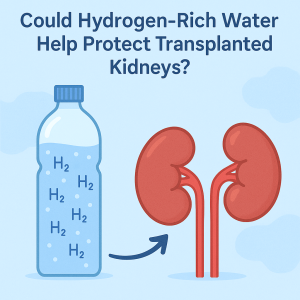
Could Hydrogen-Rich Water Help Protect Transplanted Kidneys?

When someone gets a kidney transplant, the most important thing is to keep the new kidney healthy over time. But many transplants gradually fail due to a condition called chronic allograft nephropathy (CAN). This happens when damage from oxidative stress (harmful molecules called ROS) and inflammation slowly attacks the new kidney.

Researchers wondered: Could water infused with molecular hydrogen (H₂) help protect against this damage? In a study on rats, they transplanted kidneys and gave one group regular water, while the other drank hydrogen-rich water (HW) for five months. The results were eye-opening: the HW group had better kidney health, less inflammation, and drastically improved survival compared to those on regular water.

So what’s going on? It turns out hydrogen can act like a super tiny firefighter, neutralizing damaging ROS and calming inflammation inside tissues. Even better, giving it via water is easy! While this rat study is promising, it’s important to remember that human trials are still needed before hydrogen water becomes a treatment tool.

Why This Matters:

  • Easy to administer a simple daily drink.
  • Packs antioxidant and anti-inflammatory benefits.
  • Could one day support transplant success if proven in human studies.

Stay tuned as science explores whether this tiny molecule could make a big difference in transplant health!


For more research studies, go here.

For more info on how hydrogen interacts with your cells, read them here.